
Overview
Nix Hydra needed to define the vision, scope, and strategic direction for a new digital product intended to support content creation within their narrative game ecosystem.
The challenge was particularly complex because the product category itself was not clearly defined. Before any design or development work could begin, the team needed to understand user needs, align stakeholders, and establish a shared understanding of what should be built.
Working within a multidisciplinary team, I helped lead a discovery initiative focused on transforming uncertainty into a clear product direction.
MY ROLE: PRODUCT OWNER
As Product Owner, I represented the client's vision throughout the discovery process while helping align business objectives, user needs, and technical constraints.
MY RESPONSIBILITIES INCLUDED:
- Managing product priorities.
- Facilitating stakeholder alignment.
- Defining strategic objectives.
- Supporting roadmap creation.
- Translating research findings into actionable product direction.
MY ROLE: SENIOR UX RESEARCH
I also led the discovery activities that informed product decisions and helped establish a shared understanding of users and workflows.
THIS INCLUDED:
- Stakeholder interviews.
- User interviews.
- Diary studies.
- Competitive analysis.
- Journey mapping.
- Persona creation and validation.
- Strategic workshops.
Aligning Stakeholders Around a Shared Vision
At the start of the engagement, stakeholders had different assumptions regarding product goals, priorities, and opportunities.
A major focus of the discovery phase was creating alignment around a common vision that could guide future design and development efforts.
Through workshops, interviews, and collaborative sessions, I helped establish a shared understanding of the product's purpose and long-term objectives.
Understanding Users and Workflows
A critical component of the project involved understanding how users currently worked, where frustrations existed, and what opportunities could improve their experience.
Research activities included interviews, diary studies, workflow analysis, and validation exercises that helped uncover patterns across user behaviors and expectations.

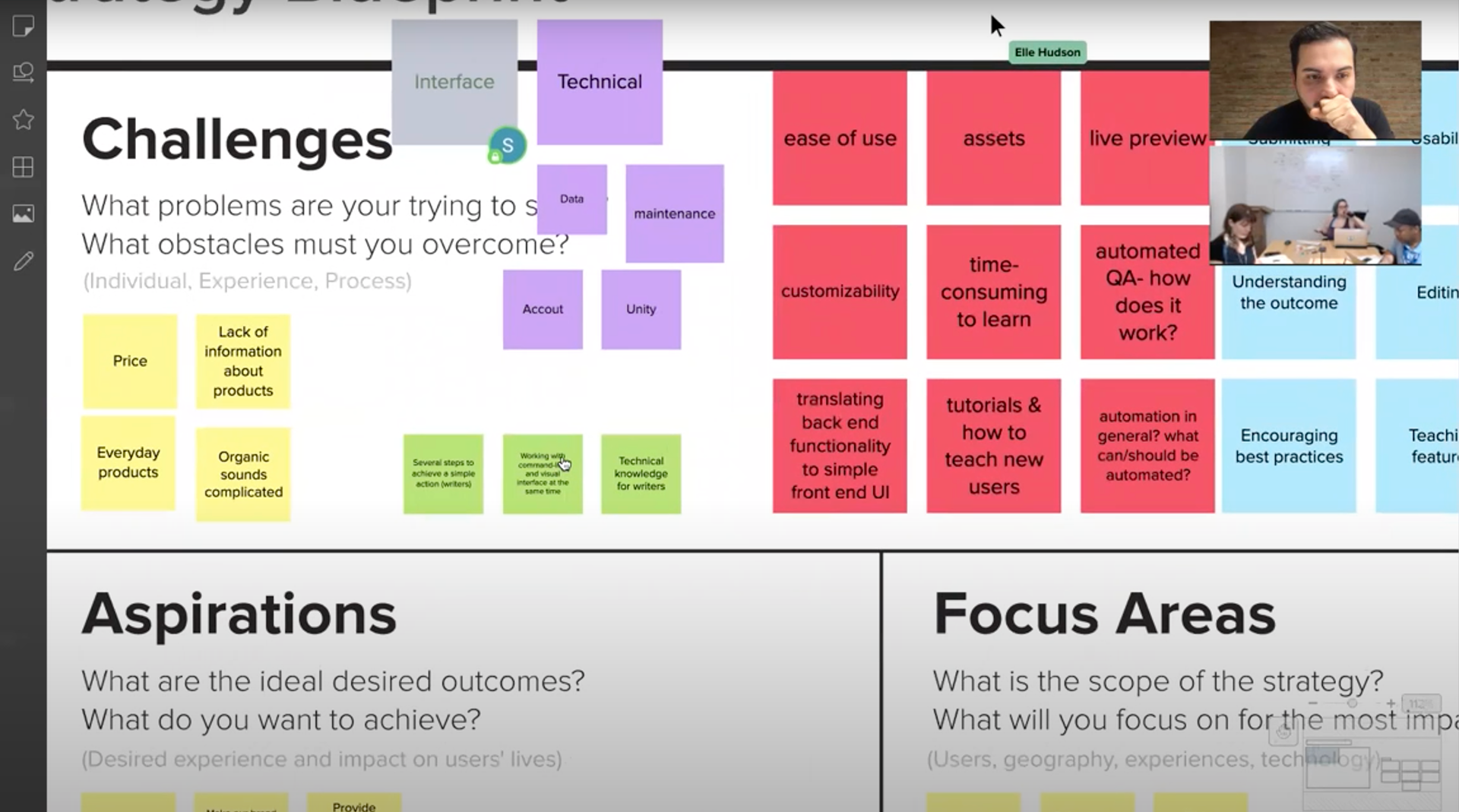
Online Interviews and Workshops
Establishing the Product Strategy
Research findings were synthesized into a series of artifacts that helped guide future decision-making.
These included personas, journey maps, interaction models, and strategic recommendations that became foundational inputs for product planning.
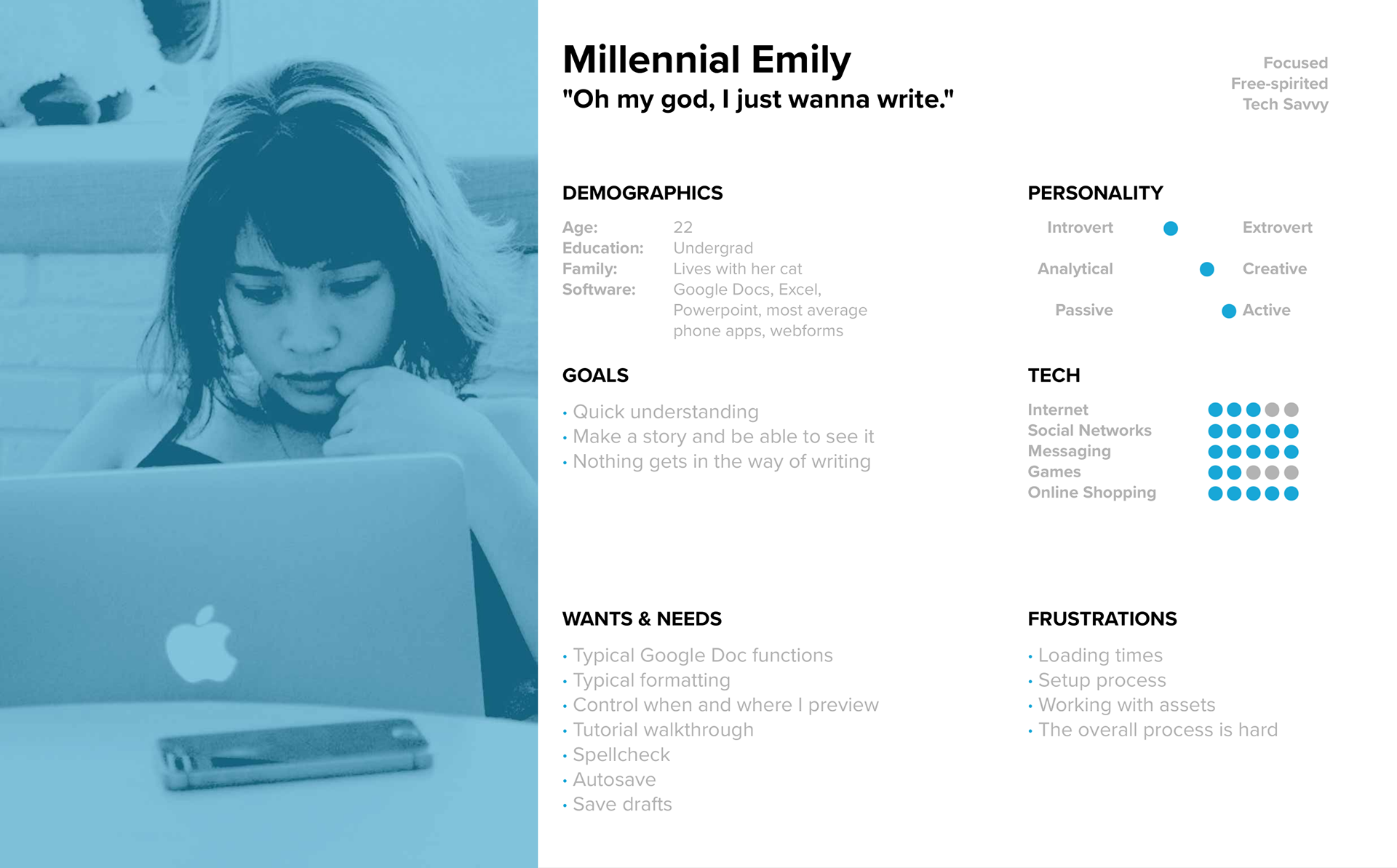
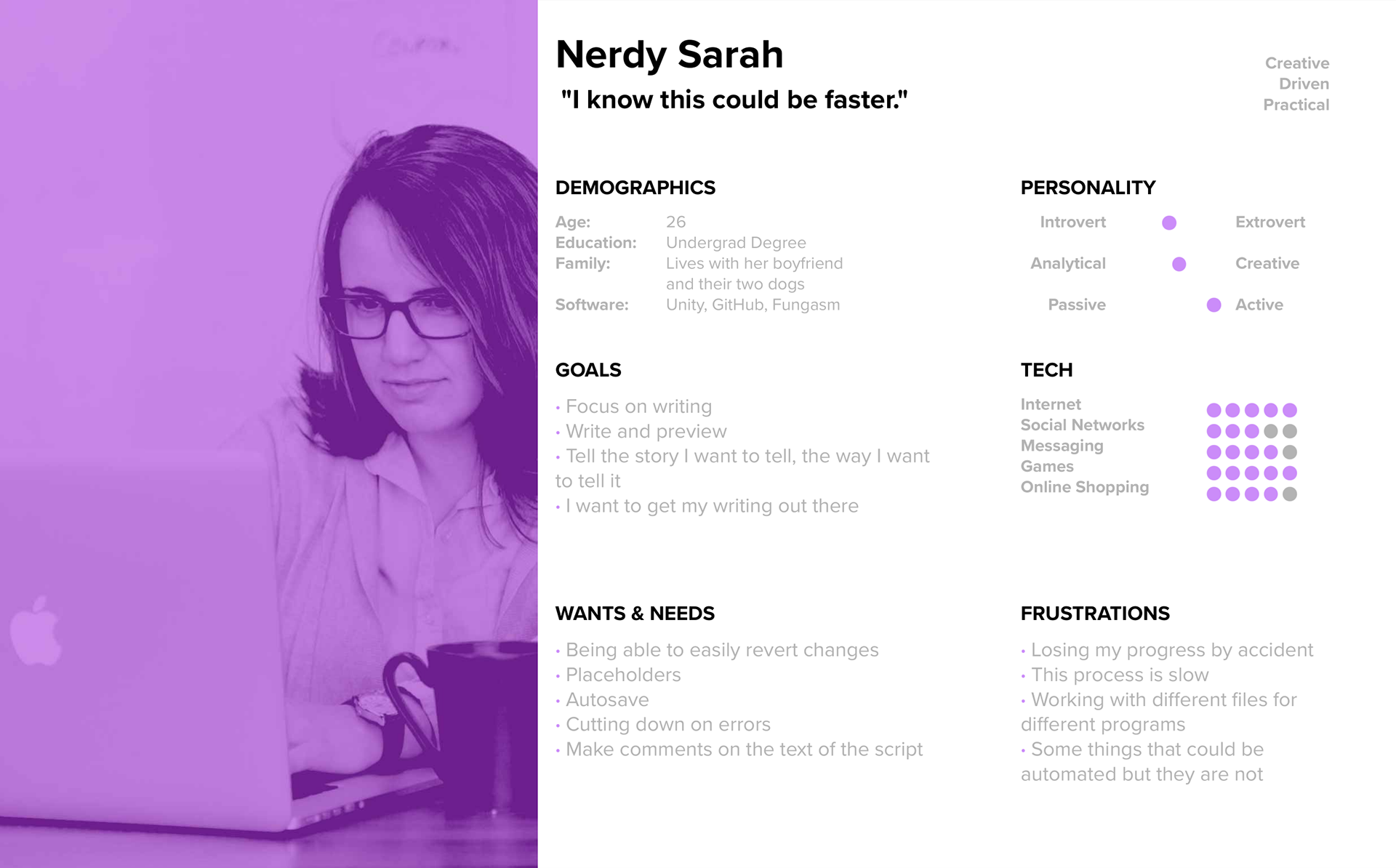
User Personas
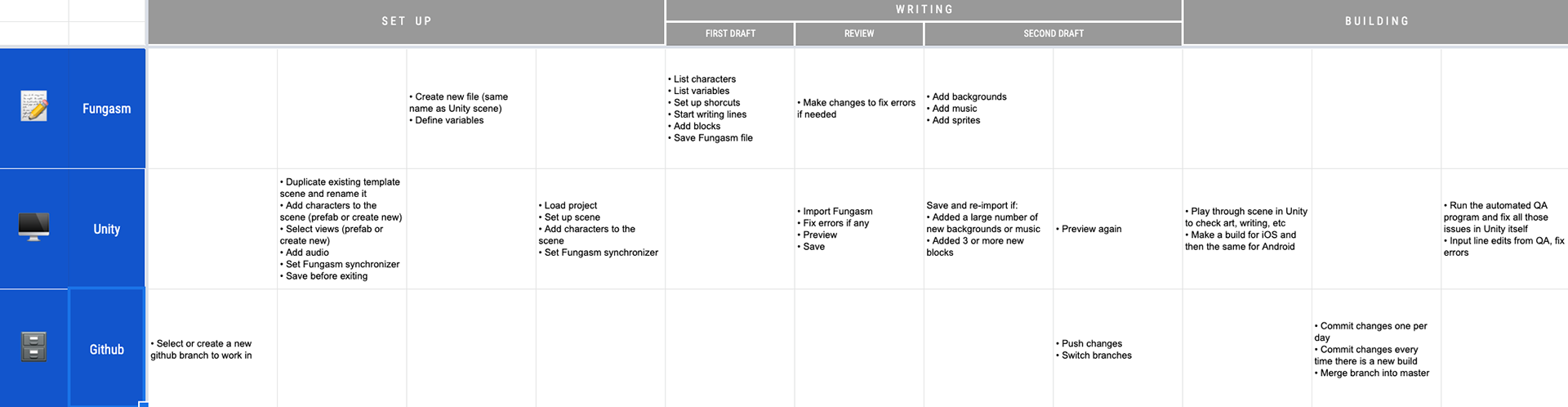
Interaction Model
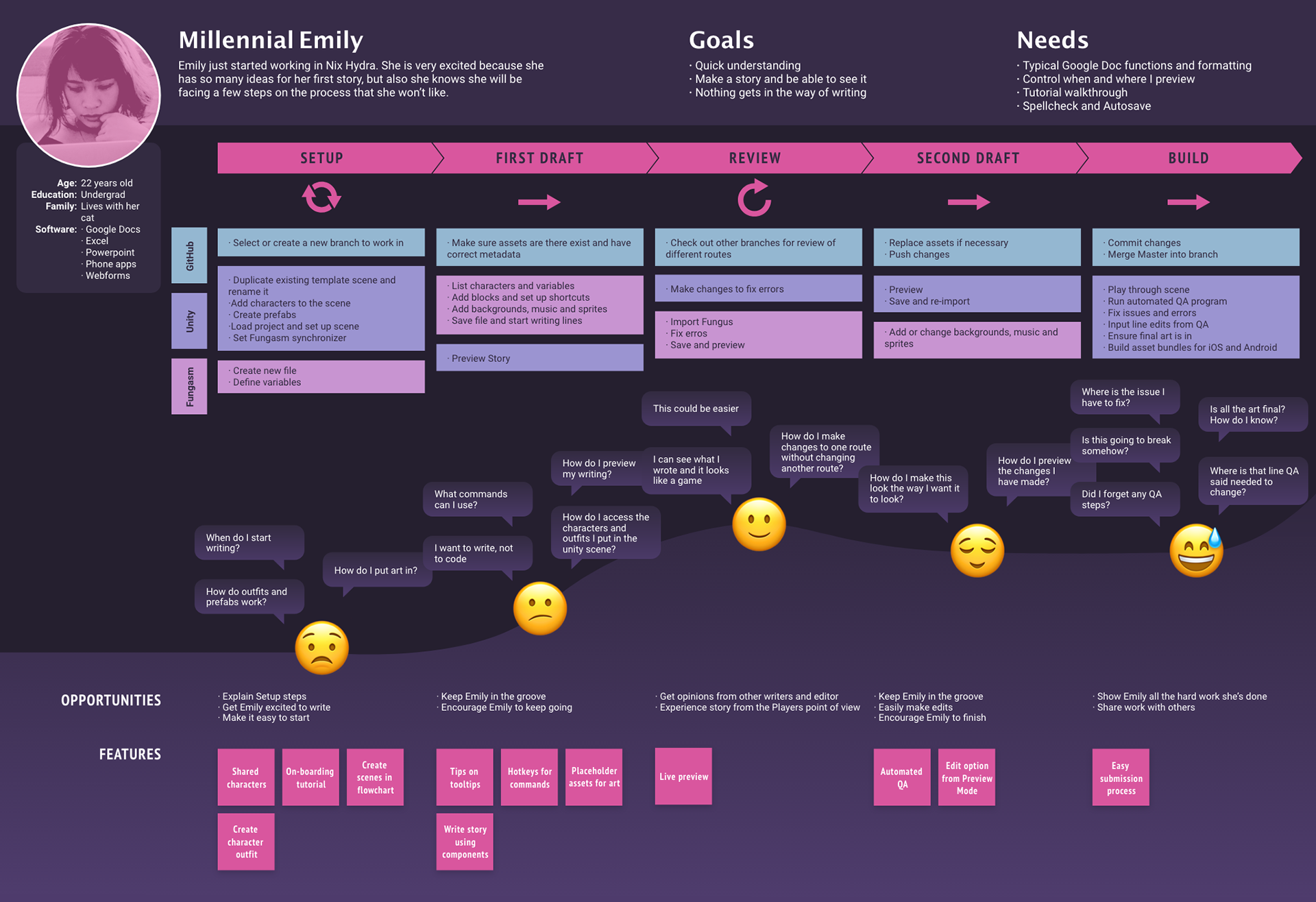
User Journey Map
Outcomes
Established a Shared Product Vision
Created alignment across stakeholders, reducing uncertainty and enabling more confident decision-making.
Defined the Foundation for a New Product
Helped transform an undefined concept into a structured product opportunity with clear objectives and priorities.
Reduced Product Risk
Validated assumptions through research and user engagement before significant development investment.
Enabled Efficient Production Planning
Provided the strategic inputs needed to prioritize features, allocate resources, and establish development milestones.